Cover Site Prep & Utilities: The West Covina Owner’s Guide
Cover site prep and utilities work in West Covina typically runs $6,500 to $18,000 depending on lot conditions, trenching distance, and whether your panel needs an upgrade to handle the ADU’s electrical load. We stock Cover-compatible prep materials and can usually start within 7 to 14 days of your written estimate. Most owners discover they need this work when their Cover unit arrives on a truck and the site still has tree roots, sloped grading, or an electrical panel that cannot carry a second dwelling.
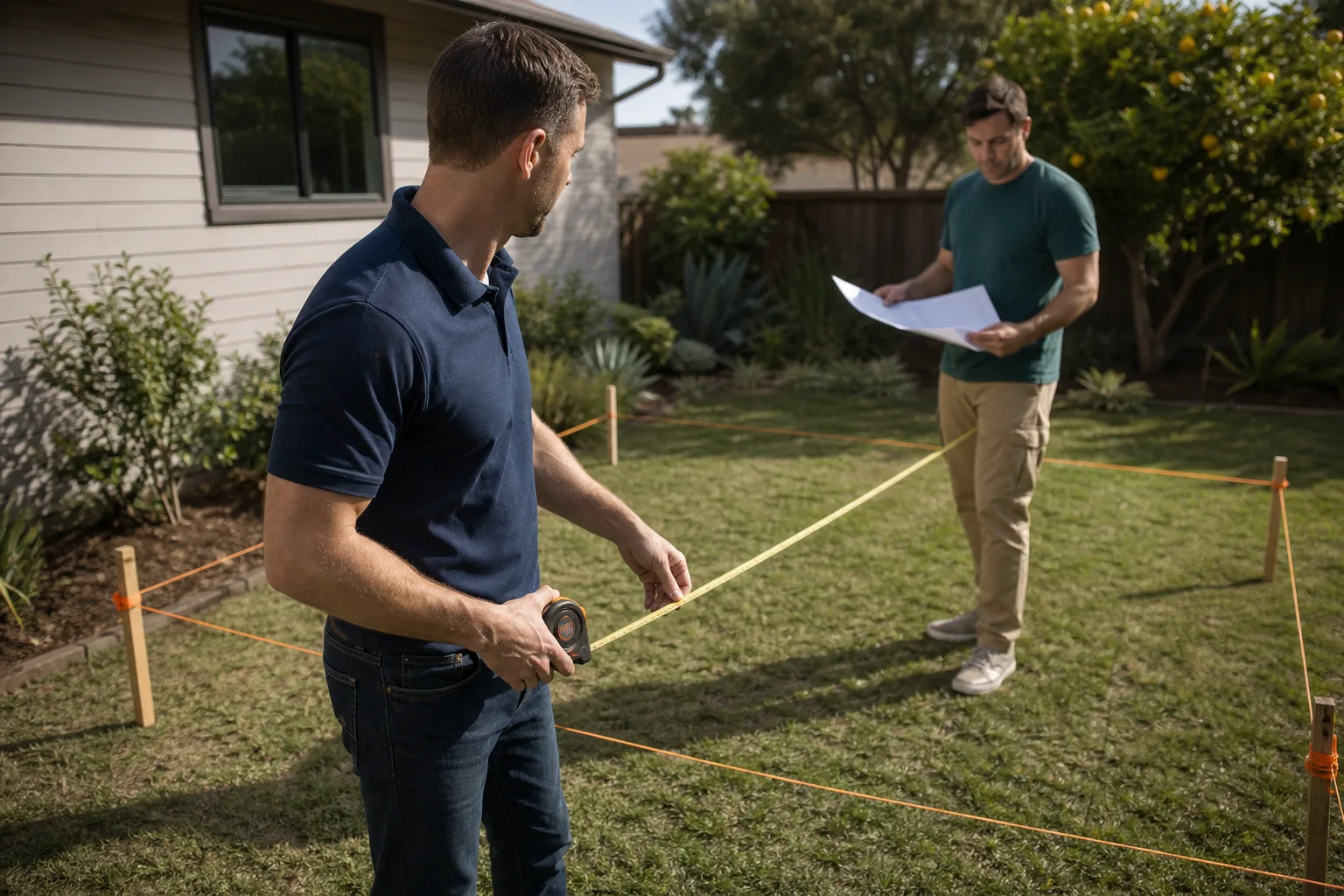
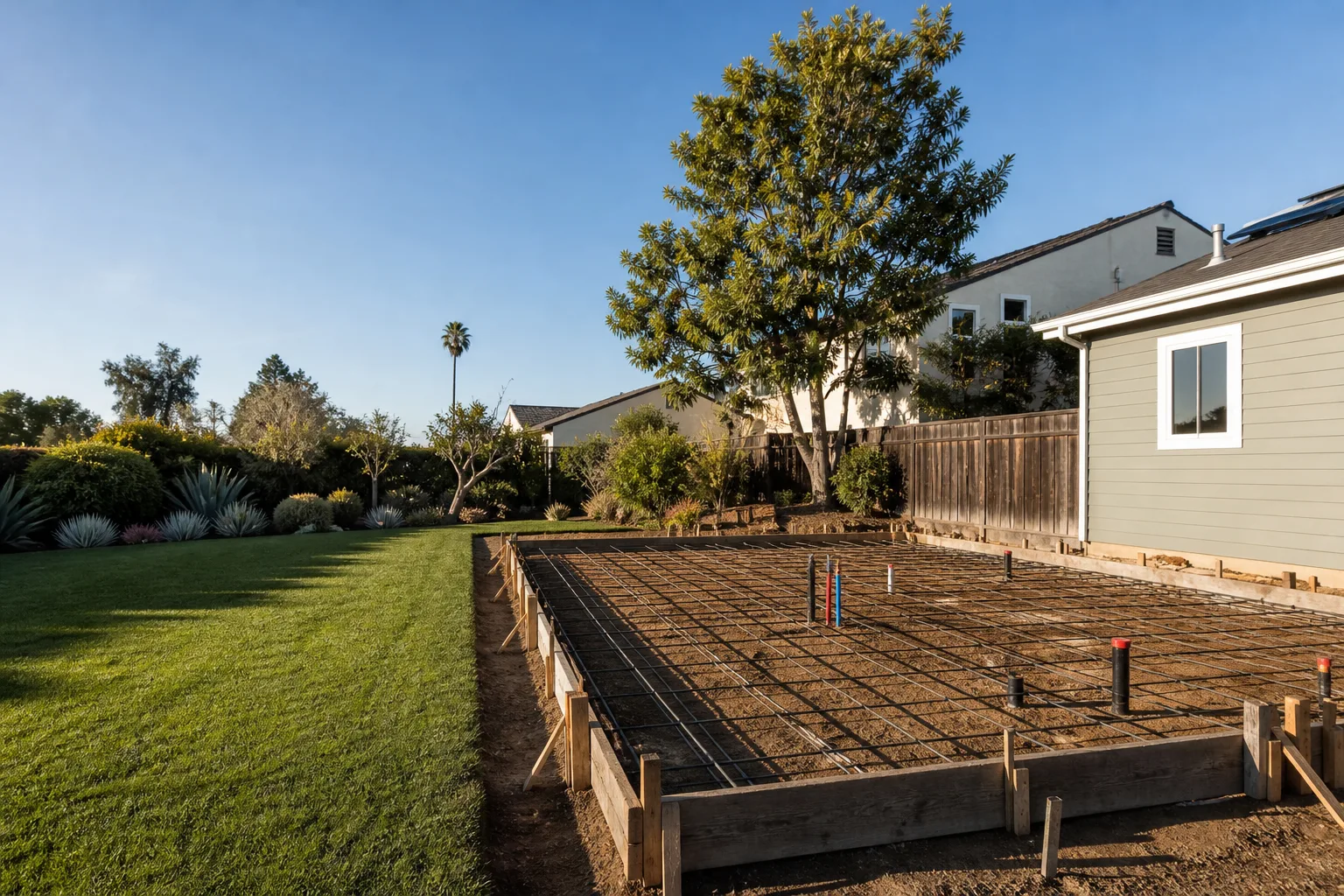
Here’s what you’re actually paying for: grading and compaction so your Cover sits level, trenching for water, sewer, gas, and electrical runs, panel work where needed, and the final connections that make the unit livable. This is the part of the project nobody photographs for Instagram, but it determines whether your ADU drains properly during a West Covina winter storm and whether your lights flicker when the dryer runs. Ben Ortega has walked enough West Covina lots, including several in the neighborhoods off South Hills, to know which ones have the clay-heavy soil that makes trenching slower and which ones sit on the decomposed granite that drains beautifully.
Key takeaways if you’re short on time: figure on a minimum of $6,500 for straightforward flat-lot work, $12,000 to $18,000 if you need a panel upgrade or long utility runs, and always get a written line-item price before anyone digs. We’re an independent service provider, not affiliated with Cover, but we install their units regularly and know their connection point specs cold.
Which Cover Models This Applies To
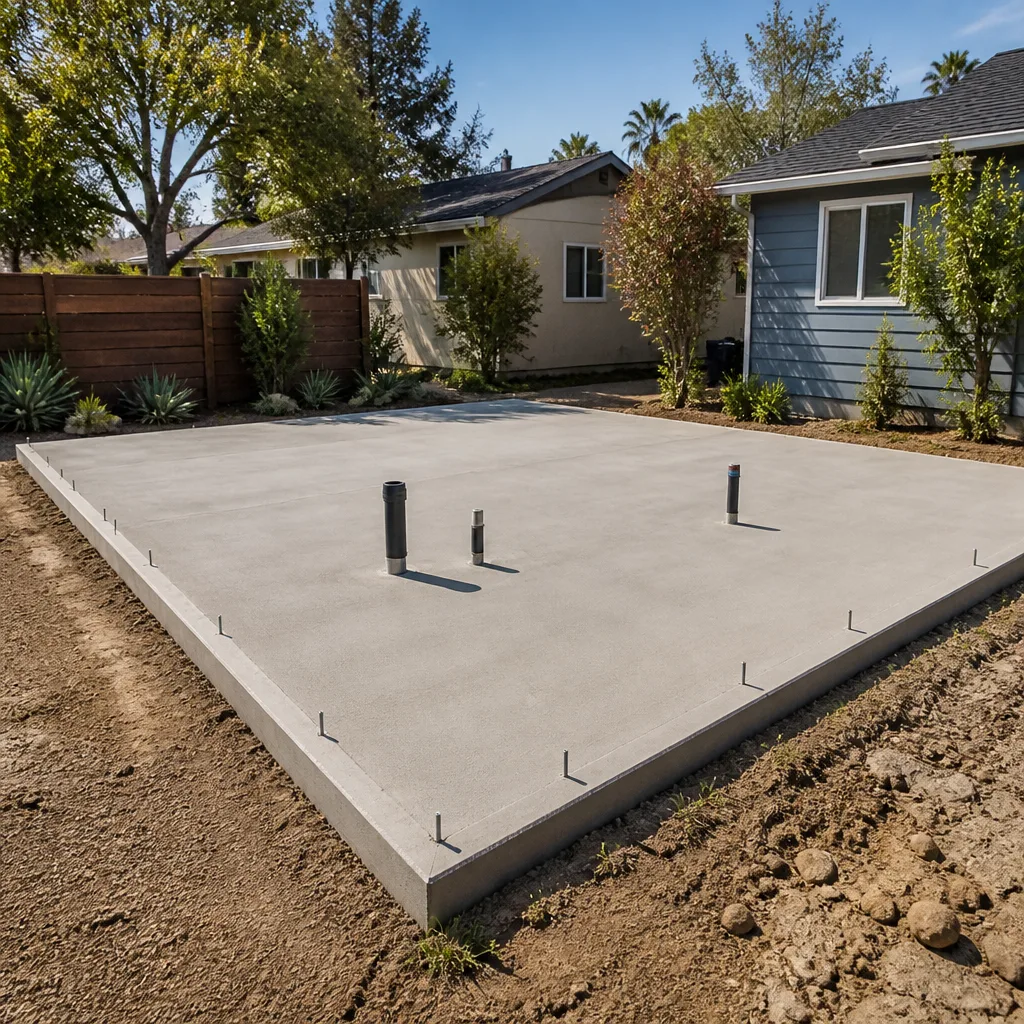
Every Cover unit needs the same core site prep: a level, compacted pad; utility trenches from your main house or street connections; and a final hookup for water, sewer, gas, and electrical. This applies to the standard Cover Studio, the larger one-bedroom configurations, and any custom layout they’ve shipped to a West Covina lot. Where it gets specific is the electrical service requirement. Cover units run all-electric, which means no gas line for heating or cooking, but it also means your existing panel needs enough spare capacity for a full kitchen, mini-split HVAC, and hot water. If your home still runs a 100-amp panel, you’re looking at an upgrade before the unit can pass inspection.
How to identify what you need for your specific Cover: check the build plate on the unit’s interior wall, near the electrical panel. It lists the model designation and the required service amperage. Most Cover units need a 40 to 60 amp dedicated circuit, and the units built after 2022 frequently spec a 50-amp breaker minimum. The OEM-vs-aftermarket decision matters less here than it does for appliance parts, because site prep is about materials, not branded components. We use the same Schedule 40 PVC for sewer runs, the same THHN copper for electrical, and the same Type S mortar for pad fill that the Cover factory expects. What matters is that the trench depth meets West Covina’s code: 18 inches for electrical conduit, 12 to 18 inches for water depending on pressure, and 12 inches for sewer laterals with the right slope, typically a quarter-inch per foot.
Signs Your Cover Site Prep & Utilities Is Failing
- Water pooling near the pad after rain. This usually means the grading wasn’t sloped away from the unit or the pad has settled. In West Covina’s clay-heavy soil, settlement happens when fill dirt wasn’t compacted in lifts. You’ll see standing water against the skirting within six months if compaction was skipped.
- Breaker trips when the mini-split and cooktop run together. That’s an undersized circuit pulling more than the wire can safely carry. Cover units are efficient, but a 40-amp breaker that was “close enough” during install trips the moment winter heating and a burner fire up simultaneously.
- Sewer smells inside the unit after heavy use. A sewer line with too little slope, or no cleanout installed, backs up slowly. Cover’s plumbing runs are compact, so any sag in the lateral shows up as odor before a full backup.
- Water pressure drops when a second fixture opens. If the water line from the main was sized at half-inch because it was cheaper, the shower loses pressure when the toilet refills. Code allows it to exist, but it doesn’t make it right.
- Visible cracks in the pad perimeter within the first year. Hairline cracks are normal. Cracks wide enough to fit a quarter mean the base layer wasn’t compacted or the rebar spacing was off. Cover’s steel-frame construction settles unevenly on a bad pad, and you’ll see the effects in doors that no longer close square.
None of these are subtle. They announce themselves within the first 12 months, which is exactly the window covered by most workmanship warranties. If you notice any of them, photograph it and call before the issue compounds.
Replacement Cost & What’s Included
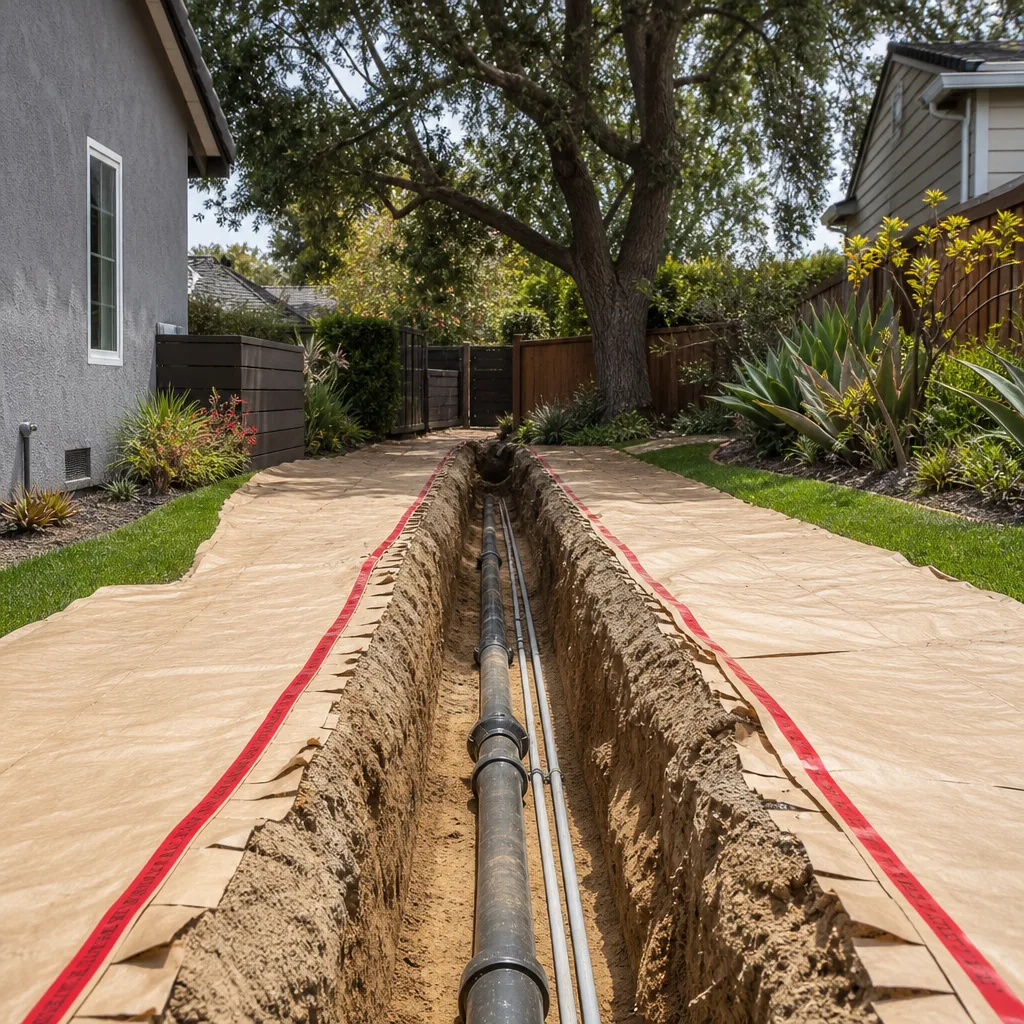
Site prep and utilities for a Cover unit in West Covina break down like this, and these are the numbers we put in writing before work begins:
- Grading, pad prep, and compaction: $2,800 to $5,500 depending on whether we’re cutting into a slope or working a flat lot.
- Utility trenching and backfill: $2,200 to $4,800. Distance from your main house or street tap drives this. A 20-foot run is a different job than a 90-foot run.
- Electrical panel upgrade: $2,500 to $5,000 if you’re moving from 100-amp to 200-amp service, including SCE coordination. Not every lot needs this, but most 1960s and 1970s West Covina homes do.
- Water, sewer, and electrical hookups: $1,800 to $3,400 for final connections, inspection coordination, and a cleanout installed where code requires it.
- Permit fees: City of West Covina fees on this scope typically land between $800 and $1,600. We pull permits and schedule inspections, and the cost is a line item, not a surprise.
Every line item includes labor, materials, and disposal. We don’t add change orders once we’ve walked the lot and put the number on paper, and the work is covered by the 365-Day Done Right Promise: if something isn’t right, we make it right. That includes settlement repairs, conduit that failed, or a sewer lateral that backs up.
DIY or Call Us?
You can check a few things safely. Walk the pad after a rain and look for standing water. Note where your panel sits and whether it has empty breaker slots. Look at whether the ground around the unit slopes away or toward it. Those observations help you ask better questions when you call.
Here’s where DIY goes wrong: trenching. Utilities are buried for a reason, and a shovel in the wrong spot next to an 18-inch-deep electric line or a gas main is a hospital visit or worse. West Covina requires a DigAlert ticket before any excavation, and even then, the connections themselves must be inspected. An unpermitted sewer hookup or undersized wire will fail a Cover warranty claim if the manufacturer can show the install caused the problem. Don’t put yourself in that position. Call (559) 258-5962 and we’ll walk the lot with you, measure everything, and give you a written number before anything gets moved.
FAQs
Properly graded and compacted site prep on a West Covina lot should last the life of the ADU, typically 30 to 50 years. The utilities, if installed to code with the right materials and slope, carry the same lifespan expectation, with the panel being the component most likely to need attention in 15 to 20 years.
Sometimes. Isolated settlement under one corner of a Cover unit can often be addressed with slab jacking or pier installation for $1,200 to $3,500. But if the original work skipped compaction entirely, the honest fix is removal and redo. We’ll tell you which one you’re facing and put the price in writing either way.
Most Cover site prep and utility jobs in West Covina take 5 to 10 working days from first dig to final inspection. Panel upgrades add 2 to 3 days if SCE needs to disconnect and reconnect service. We’ll give you a day-by-day schedule before work starts so you know when the trencher arrives and when the inspector comes.
Yes, we keep standard Cover connection components, Schedule 40 sewer pipe, THHN copper wire, and 200-amp panel hardware on our trucks, and we have a reliable local supplier for anything unusual. That means we’re not waiting a week on a backordered fitting. We also stock parts for Abodu and Dvele units, so if you’re comparing brands before you commit, we can walk you through the utility-side differences in person.
Call (559) 258-5962 for a free, written estimate on your Cover site prep and utilities. Ben Ortega will walk the lot with you, take measurements, and hand you a plain-language cost breakdown before you have to commit to anything. You should know exactly what’s happening on your property before we ever turn a screw.
Written by Ben Ortega, Owner, Seedling ADU West Covina at Seedling ADU West Covina, serving West Covina and nearby areas.