Tuff Shed New Detached ADU: The West Covina Owner’s Guide
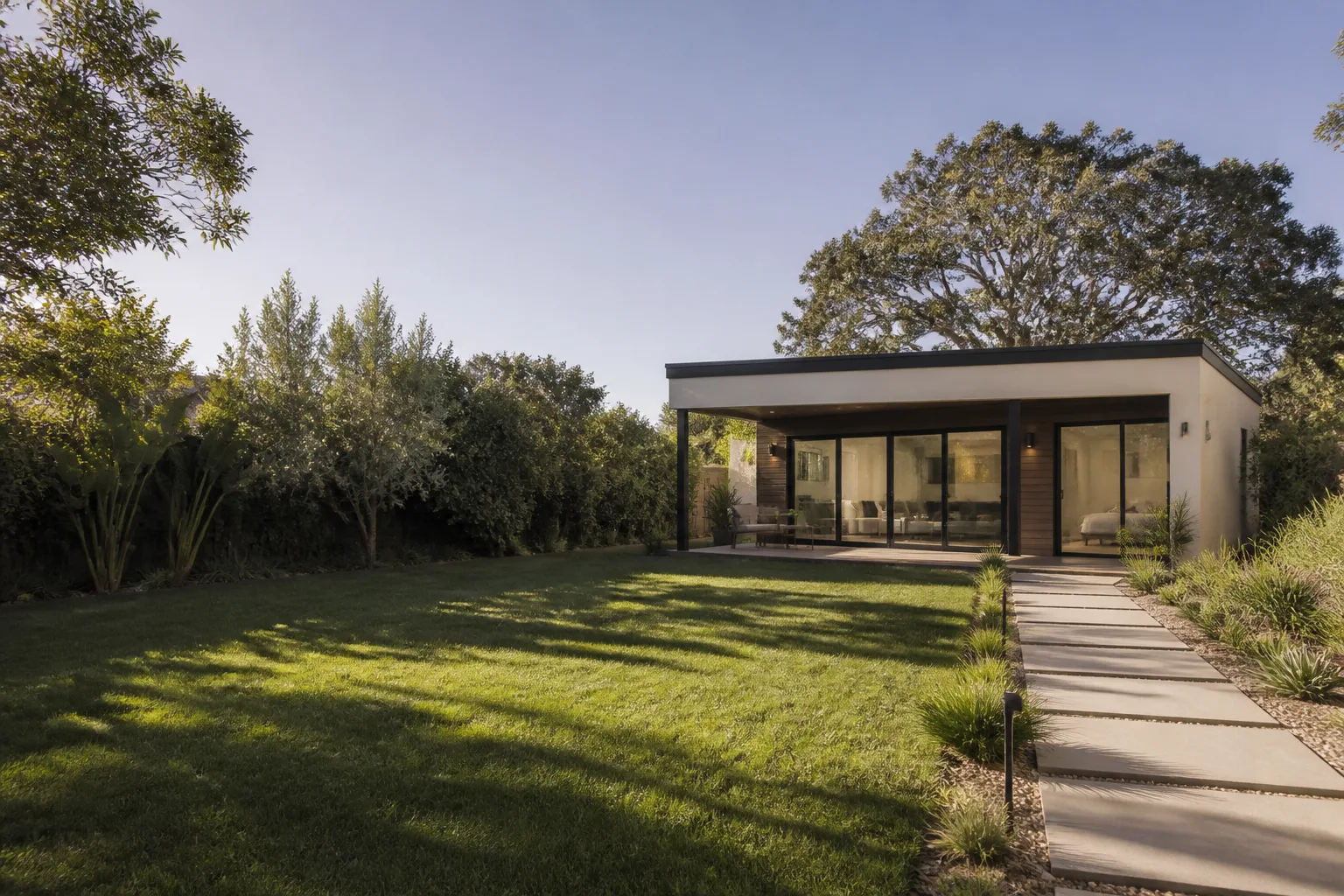
If your Tuff Shed structure is failing as a livable ADU, the problem is rarely the shed itself. It’s the conversion work: wiring that wasn’t sized for a kitchen, wall assemblies that never got insulation, or a foundation that was poured for a storage shed instead of a home. We inspect Tuff Shed conversions across West Covina and typically find that bringing one up to a legal detached ADU standard costs between $35,000 and $65,000 depending on what’s already in place and what the city will require. Most owners discover the gap when they pull a permit and learn the shed was never approved for occupancy in the first place.
Which Tuff Shed Models This Applies To
We see this most often with the Premier Pro series and the Premier Tall Barn models, but it applies to any Tuff Shed that was ordered as a shell and later converted. The core issue is the same across the lineup: Tuff Shed builds these structures to their own engineered spec, not to California Residential Code for habitable space. Wall stud spacing, header sizing, and roof framing are all designed for storage loads. When a homeowner in West Covina decides that shed should become a rental or an in-law unit, the gap between Tuff Shed’s spec and Title 24 becomes the whole job.
Before calling anyone, check the metal tag on the inside of the door frame. It lists the model series and the original build date. Then measure your wall studs. Most Tuff Shed shells use 2×4 framing at 24 inches on center. A legal ADU in West Covina will need additional framing, insulation, and likely shear wall work. That’s not a repair. That’s a re-engineer. We quote it as such.
Signs Your Tuff Shed New Detached ADU Is Failing
- Moisture or condensation on the interior walls. Tuff Shed shells typically ship without a proper vapor barrier or insulation. Once you add drywall and a mini-split, trapped moisture starts showing up as staining, warped trim, or a musty smell within the first year of occupancy.
- The electrical panel keeps tripping. Original Tuff Shed wiring, when it exists, was never sized for a full kitchen, laundry, and HVAC load. If circuits trip when the toaster and the space heater run at the same time, the service feed is undersized and needs to be redone to meet West Covina’s residential code.
- Floors feel soft or bounce. Tuff Shed floor systems are rated for dead load storage, not live-load occupancy. Appliances, furniture, and foot traffic reveal the flex. We often find joist spacing that would never pass a framing inspection for a dwelling unit.
- Windows and doors leak or stick. As the building settles and as the interior conditions change with heating and cooling, the original Tuff Shed weatherproofing fails. This isn’t a hardware swap. It’s usually a flashing and rough-opening issue at the wall assembly level.
- The city flagged the unit during a permit process. This is the most common one we hear in West Covina. A homeowner files a permit for another project, the inspector notices the converted shed, and suddenly there’s a correction notice. Unpermitted conversions are common here, and the path to bringing them legal is specific to the city’s ADU ordinance.
Replacement Cost & What’s Included
For clarity, this is not a parts replacement page. A Tuff Shed does not have a “new detached ADU part” to swap in. What you need is a building envelope correction: foundations, framing upgrades, electrical service, insulation, and drywall that meets California’s energy code. In West Covina, a full Tuff Shed-to-legal-ADU conversion with Seedling runs from $35,000 to $65,000. On the low end, the shed has a solid foundation and clean framing; we add insulation, electrical to code, windows and doors, and a mini-split. On the high end, the foundation must be retrofitted, the roof restructured for insulation depth, and the walls completely reframed for shear resistance.
Every quote from Ben Ortega includes a written line-item breakdown before any work starts. You’ll see exactly what the materials cost, what the labor hours estimate is, and what the city fee estimates look like. If the scope changes mid-project, we write it down and you approve it before the crew proceeds. No surprise line items. No verbal change orders. The whole job is covered by our 365-Day Done Right Promise: if it’s not done right, we make it right.
DIY or Call Us?
There’s real danger in trying to convert a Tuff Shed yourself, and it’s mostly hidden. The framing modifications required for a habitable ADU involve cutting into structural walls and rerouting load paths. Get that wrong and the roof comes down on someone. The electrical work runs at 240 volts and must be done to National Electrical Code standards or you risk a fire in a building where people sleep. Even the insulation work involves handling fiberglass and foam products that require proper protective gear and ventilation.
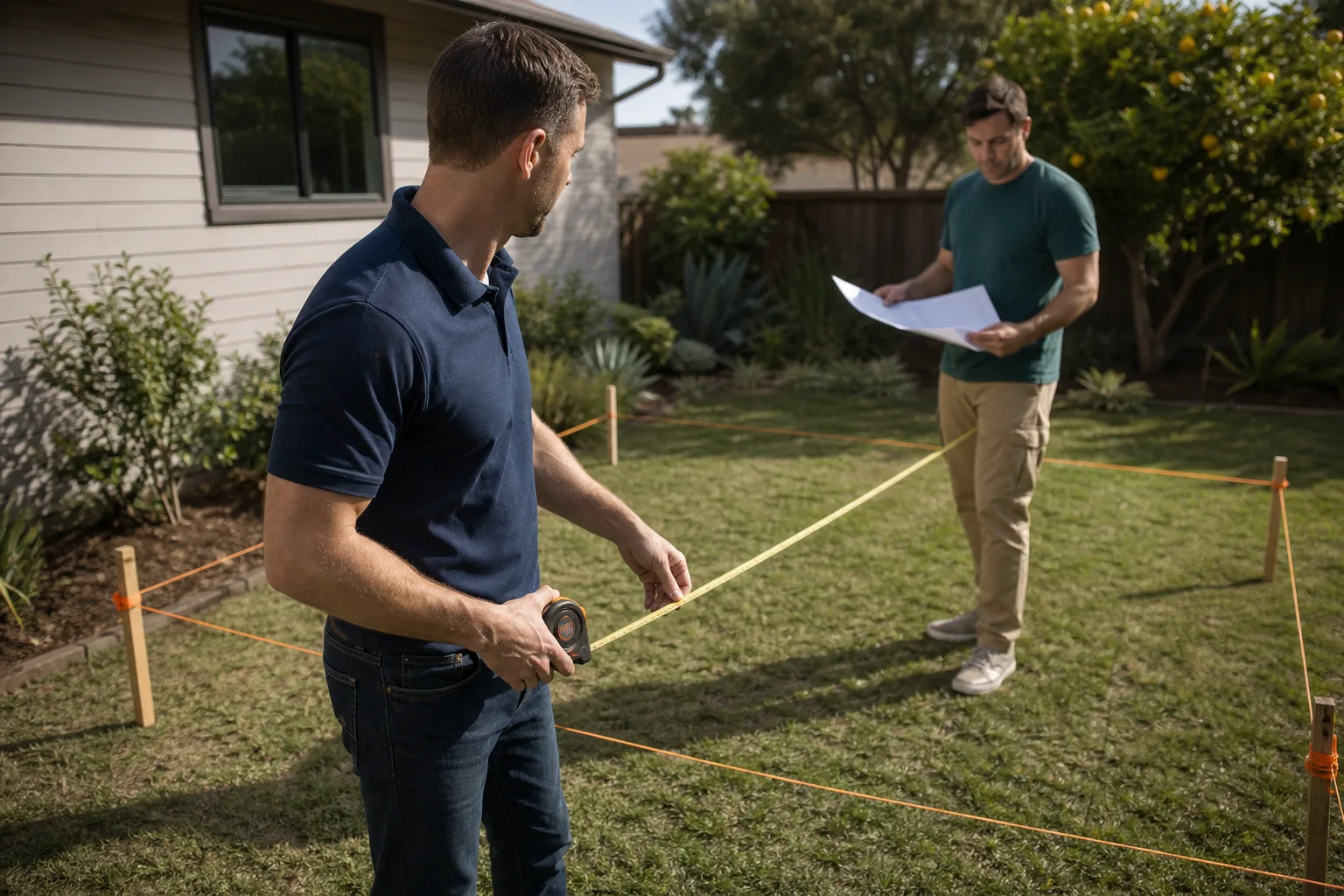
What you can safely do is document what you have. Take photos of the metal tag, the electrical panel, the wall construction if you can see inside an unfinished area, and the foundation type. Then call us at (559) 258-5962. We’ll walk the site with you, identify what the city of West Covina will require, and give you an honest scope. You should know exactly what’s happening on your property before we ever turn a screw.
FAQs
A Tuff Shed used for storage in our dry Southern California climate can last 20 to 30 years with basic maintenance. But the moment you finish the interior, add insulation and drywall, and run HVAC, the wall conditions change. Without proper vapor management, the framing starts degrading within 5 to 8 years. That lifespan reality is specific to how humidity behaves differently inside an occupied structure versus an open shed. Call (559) 258-5962 if you want us to look at what you have before you commit to conversion.
Most can be saved. We’ve converted Tuff Shed shells in West Covina neighborhoods throughout the area, including projects near South Hills. The deciding factors are the foundation type, the roof framing, and whether the wall sheathing is still sound. If the floor is sitting on skids or railroad ties, the foundation work alone may approach the cost of starting fresh. We’ll tell you straight before you spend a dime.
A typical conversion in West Covina takes 10 to 16 weeks from permit submission to final inspection. The city’s plan check for ADU permits runs about 4 to 6 weeks, sometimes longer during busy building seasons. We handle all permit drawings, submittals, and inspection scheduling. If you’re in a time bind because the in-laws are arriving, tell us on the first call and we’ll walk you through realistic timelines for your specific lot.
We stock framing lumber, insulation, electrical panels, and rough-in materials on our trucks and in our local yard. For Tuff Shed-specific components like door hardware and trim, we order direct from Tuff Shed or use quality aftermarket equivalents that match or exceed the OEM spec. We also work directly with leading ADU and prefab brands including Abodu, Cover, and Dvele. When a client’s Tuff Shed can’t be salvaged, we usually recommend replacing it with one of those systems instead of paying for a full stick-build.
Written by Ben Ortega, Owner, Seedling ADU West Covina at Seedling ADU West Covina, serving West Covina and nearby areas.